Quiet Upgrades for Lynnwood Homes
Homeowners in Lynnwood, WA expect comfort and low noise from every part of the house — including the garage. When planning a garage door replacement, many residents find the single biggest quality-of-life improvement is reduced noise. This guide focuses on practical, local solutions so your next garage door replacement minimizes sound, improves durability, and fits typical residential service budgets in the area.
Why noise matters for garage door replacement
Older or poorly fitted garage doors can transmit clatter and vibration into living areas, especially in the cooler, damp Pacific Northwest climate. A well-planned garage door replacement addresses three main sound paths: the door panels, the track and rollers, and the opener assembly. Tackling each reduces noise significantly and prevents repeat repairs.
Common noise sources
- Worn rollers or loose hardware creating rattles
- Metal panels echoing on impact or wind
- Openers with older, noisy gear systems
- Poor seals and unbalanced doors that vibrate the frame
Noise reduction options during garage door replacement
When you choose garage door replacement, you can select materials and components specifically for sound control. Here are the most effective upgrades used by local residential service teams.
1. Insulated door panels
Insulated doors with polystyrene or polyurethane cores reduce sound transmission and improve thermal performance. Polyurethane tends to be denser, offering better noise dampening and moisture resistance — a strong advantage in WA’s humid winters.
2. Quieter rollers and tracks
Replacing steel rollers with nylon or composite rollers lowers contact noise. Couple those with sealed, lubricated tracks and quieter brackets to stop rattling along the travel path.
3. Modern belt-drive openers
If your garage uses an old chain-drive opener, swapping to a belt-drive or direct-drive model cuts mechanical noise dramatically. Belt-drive units also run smoother and transfer less vibration into the structure.
4. Add gasketing and perimeter seals
Top, bottom, and side seals reduce wind noise and keep panels from vibrating in windy conditions common in the region. Compressible gasketing around the frame reduces metal-to-metal contact.
5. Dampening strips and vibration isolation
Installing thin dampening strips between the door skin and frame or using isolation pads on mounting hardware reduces transfer of sound to the house framing. These are low-cost additions that work well with any full garage door replacement.
Steps to plan a quieter garage door replacement
Follow a clear sequence for the best results and to keep schedules and budgets realistic for Lynnwood homeowners.
- Assess existing noise: note when noise is worst (windy nights, opener operation, closing impact).
- Choose door style and core: prioritize insulated, higher-R-value panels for dual benefits.
- Upgrade hardware: plan for nylon rollers, sealed bearings, and vibration-isolating mounts.
- Select a modern opener: belt-drive or DC direct-drive models are recommended for silence.
- Include sealing and weatherproofing in the estimate: proper seals reduce noise and moisture intrusion.
For detailed reading on common questions and examples, see our maintenance and tips section on the blog: https://garagedoors-lynnwood.com/blog.
Estimated timelines and pricing for Lynnwood projects
Local contractors offering garage door replacement typically provide the following windows, which help homeowners plan around weather and schedules:
- Inspection & estimate: 1–3 days to schedule and assess.
- Product selection & order: 3–14 days depending on custom finishes or insulated cores.
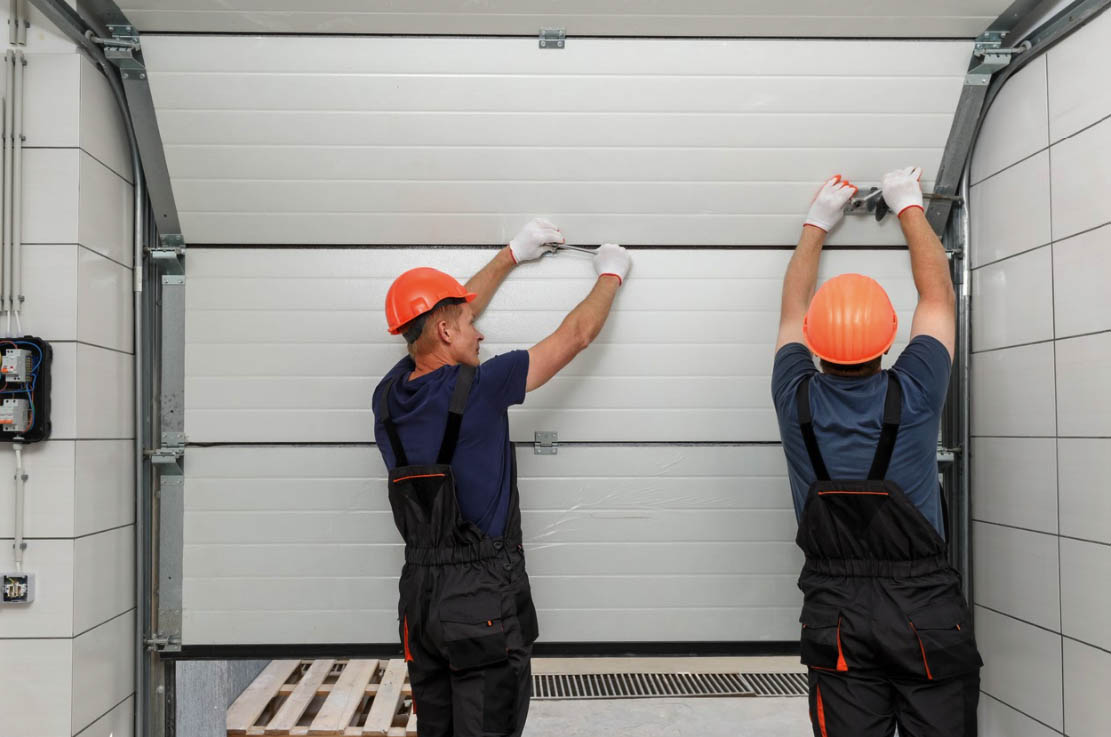
- Installation: most straight replacements complete in a single day; complex retrofits may take 1–2 days.
Price ranges vary by door type and features. For a noise-conscious garage door replacement in Lynnwood, WA expect:
- Basic steel single-door replacement: lower cost but modest noise control.
- Insulated steel or composite doors: moderate cost with good sound dampening.
- High-end insulated wood or fiberglass doors: higher cost and best acoustic performance.
Ask your installer for a written estimate that separates door cost, hardware, opener, and labor. If you need an on-site consultation, contact our team through the local contact page: https://garagedoors-lynnwood.com/contact.
Installation tips and warranties
To get durable, quiet results during a garage door replacement, confirm these items before work begins:
- Hardware included in the quote (rollers, springs, brackets).
- Opener model and drive type (belt-drive recommended for noise reduction).
- Warranty terms for door panels, hardware, and labor.
- What periodic maintenance is required to preserve quiet operation.
Reliable installers will provide clear warranty terms on springs and openers and advise a simple maintenance schedule to maintain quiet performance over time. For a list of services we offer during replacement and aftercare, visit our services page: https://garagedoors-lynnwood.com/services.
Quick checklist before booking a replacement
- Measure opening and note insulation needs.
- Decide whether you need increased security or thermal performance along with noise reduction.
- Confirm local building permit requirements for your project (usually dependent on structural changes or electrical work).
- Ask for references or recent local examples from your chosen contractor.
When you’re ready to schedule an estimate, call our Lynnwood team to discuss timing and options.
Frequently Asked Questions
Q: How does Lynnwood weather affect noise after a garage door replacement?
A: Damp, cool conditions common in Lynnwood, WA make metal parts more prone to creak and corrosion. Choosing insulated panels and corrosion-resistant hardware (stainless or coated steel, nylon rollers) during garage door replacement reduces that seasonal noise and protects components longer.
Q: How long does a typical residential garage door replacement take?
A: Most straight replacements for single or double doors are completed in one day once materials are on-site. Custom doors or structural changes can extend the timeline to 2–5 days. Plan around local delivery windows when booking.
Q: What price range should Lynnwood homeowners expect for quieter replacements?
A: Expect a baseline for a standard, non-insulated door at the low end. For a noise-focused garage door replacement with insulated panels, quieter rollers, and a belt-drive opener, budget a moderate range—specifics vary with size and finish. Ask for line-item quotes to compare.
Q: Do garage door replacements need permits in Lynnwood?
A: Permitting depends on structural changes or electrical work. Replacing a door without modifying the header often does not require a permit, but upgrading openers that require new wiring or altering framing might. Check with City of Lynnwood building services or your installer to confirm.
Q: What warranties should I get with a quiet garage door replacement?
A: Look for manufacturer warranties on door panels and openers (typically 1–10 years depending on part) and written labor warranty from the installer. Confirm spring coverage and whether routine maintenance is required to keep warranties valid.
Helpful local resources in Lynnwood, WA
- Garage Door Repair Seattle
- Garage Door Repair Bellevue
- Garage Door Repair Redmond
- Garage Door Repair Kirkland
- Garage Door Repair Mercer Island
- Garage Door Repair Edmonds
- Garage Door Repair Issaquah
- Garage Door Repair Tacoma
- Garage Door Repair Everett
- Garage Door Repair Bothell
- Garage Door Repair Sammamish
- Garage Door Repair Renton
- Garage Door Repair Lynnwood
- Garage Door Repair Woodinville
- Garage Door Repair University Place
- Garage Door Repair Gig Harbor
- Garage Door Repair Lakewood
- Garage Door Repair Puyallup
- Garage Door Repair Mukilteo
- Garage Door Repair Vancouver
- Garage Door Repair Kenmore
- Garage Door Repair Burien
- Garage Door Repair Auburn
- Garage Door Repair South Hill
- Garage Door Repair Yarrow Point
- Garage Door Repair Clyde Hill
- Garage Door Repair Port Townsend
- Garage Door Repair Duvall
- Garage Door Repair Snoqualmie