Living in Lynnwood, WA, homeowners face wet winters and variable temperatures that affect garage door balance and components. Choosing between DIY and professional garage door repair can save time, money, and prevent injuries when you know the risks and typical fixes.
How to decide: DIY or call a pro?
Start by identifying the problem. Simple issues—like replacing weatherstripping, tightening loose hardware, or reprogramming a remote—are appropriate for a handy homeowner. More complex failures, such as broken springs, off-track panels, or opener gearing problems, usually need a licensed technician.
Ask these quick questions:
- Is the issue cosmetic or structural?
- Does the door move smoothly and stay balanced?
- Are there broken springs, snapped cables, or damaged rollers?
- Do you have the right tools and safety gear?
If you want ongoing guidance or seasonal maintenance plans, check our blog for practical maintenance steps and checklists tailored to local weather.
When DIY Makes Sense
DIY garage door repair can be a smart choice when the job is low-risk and you have the right supplies. Typical homeowner-friendly tasks:
- Replacing weatherstrips and seals to stop drafts and water intrusion.
- Lubricating rollers, hinges, and opener parts to reduce noise.
- Adjusting limit switches or sensors on automatic openers.
- Tightening loose bolts, brackets, and track fasteners.
Benefits of DIY:
- Lower immediate cost — mostly parts and basic tools.
- Quick turnaround for simple fixes.
- Learning home improvement skills for future small jobs.
Safety tips for safe DIY work:
- Disconnect power to the opener before working on electronics.
- Never attempt spring adjustments without proper spring tools and experience — torsion and extension springs store dangerous energy.
- Use ladders and gloves rated for the task. Wear safety glasses when working with springs or cutting weatherstripping.
When to Hire a Professional
Certain problems should always prompt a call to a professional for garage door repair:
- Broken torsion or extension springs.
- Snapped cables, bent lift arms, or panels out of alignment.
- Opener motor failure, grinding noises, or electrical faults.
- Doors that won’t stay closed or are unstable partway open.
Professional advantages:
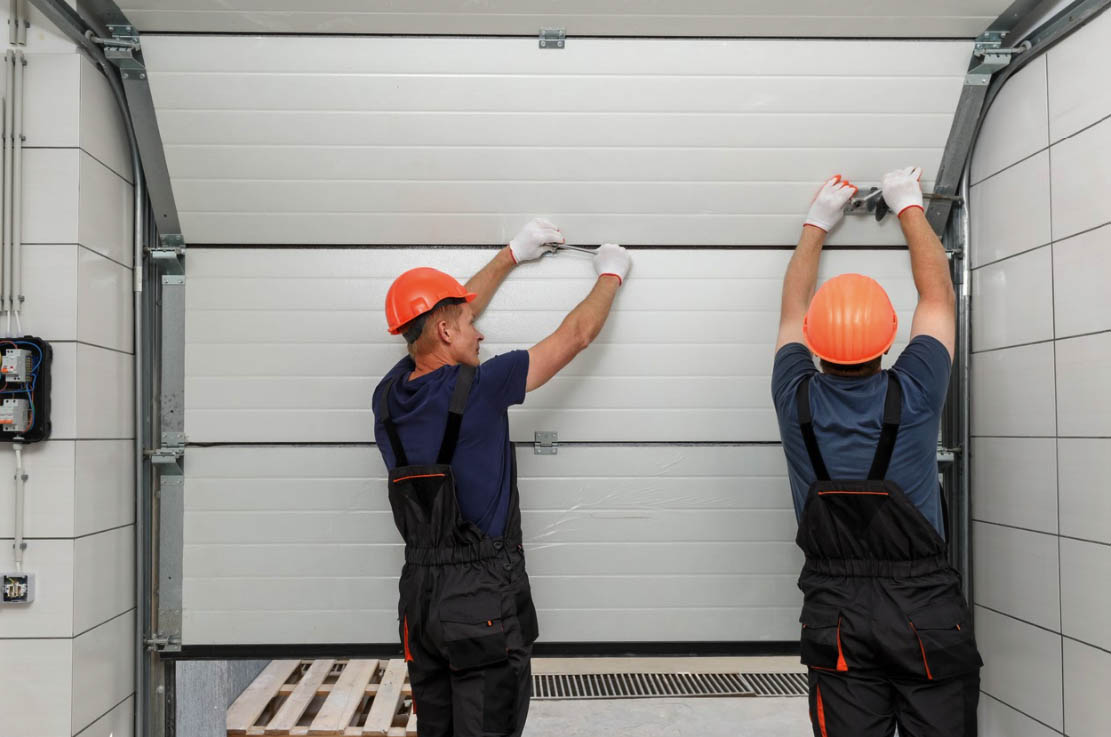
- Technicians have purpose-built tools and replacement parts for long-lasting repairs.
- Trained pros reduce risk of injury and additional damage during repairs.
- Warranties and insurance coverage often back labor and parts — ask for written terms.
For a clear scope of available work and routine plans, review our list of services and ask about local warranty options at services.
Cost, timelines, and local considerations
Pricing in Lynnwood, WA reflects parts, labor, and safety measures. Typical ranges (ballpark):
- Weatherstripping and seals: $30–$120.
- Roller replacement (parts & labor): $100–$250.
- Opener repair or minor electronics: $150–$400.
- Spring replacement (torsion springs): $200–$400; extension springs often less.
- Full door panel or track repair: $300–$1,000+ depending on materials and extent.
Timelines depend on part availability. Many repairs are same-day or next-day in the Lynnwood area; complex replacements that require special-order panels or custom springs may take several days. Ask any technician for a written estimate and expected timeline before work begins.
Weather and warranty notes
Pacific Northwest moisture accelerates rust on rollers and tracks; regular lubrication and seasonal inspections reduce long-term costs. Keep records and receipts—warranty claims commonly require proof of maintenance.
Permits and local rules
Most residential garage door repairs do not require permits in Snohomish County; however, full door replacements that change structure or openings may need permits. If your project alters the door opening, framing, or electrical work to the opener, confirm permit requirements with local building authorities or ask your contractor to verify compliance.
Practical step-by-step for a safe DIY check
Before you decide to DIY, use this quick inspection checklist:
- Disconnect the opener and try manual operation—does the door move smoothly?
- Visually inspect springs and cables—do you see gaps, frays, or breaks?
- Test balance: lift the door manually to waist height and release—does it stay put?
- Listen during operation for grinding, scraping, or loud bangs.
- Check sensors: ensure alignment and clean lenses.
If you find broken springs, severe imbalance, or metal fatigue, stop and contact a pro. Those conditions are high risk for DIY attempts.
Making the call: what to ask a technician
When you call for professional garage door repair, have details ready to speed diagnosis:
- Door type and approximate age (insulated, sectional, single panel).
- Opener brand and model, if available.
- Description of sounds or when the problem started.
- Photos or short video can help with remote estimates.
To schedule an on-site inspection or speak with a local technician, use our contact page to request a visit within Lynnwood, WA.
Contact us for scheduling, emergency repair, or a free estimate.
Choosing between DIY and professional garage door repair is about matching your skills to the risk. For small maintenance and adjustments you can save money and learn a bit of home improvement. For springs, major hardware failures, and safety-critical issues, a reputable residential service will protect your family and property.
Frequently Asked Questions
Q: How does Lynnwood weather affect my garage door?
A: Coastal and inland moisture can cause rust on rollers and tracks and soften seals. Inspect and lubricate moving parts twice a year, and replace weatherstripping before heavy rain seasons.
Q: If a spring breaks, how fast can a local tech respond?
A: In Lynnwood most emergency calls for broken springs can be handled same-day or next-day depending on stock. Replacement requires trained technicians due to stored tension risks.
Q: What is a typical price range for spring replacement in WA?
A: Expect roughly $200–$400 for torsion spring replacement in the Lynnwood area, depending on spring type and whether both springs are changed for balance and longevity.
Q: Are warranties common for residential garage door repairs?
A: Yes. Many local services offer warranties on parts and labor—get warranty terms in writing, including coverage period and any maintenance requirements to keep the warranty valid.
Q: Do I need a permit to replace my garage door in Lynnwood?
A: Routine repairs don’t usually need permits, but full door replacements that change opening size, structure, or electrical wiring may require permits. Confirm with city building officials or ask your contractor to verify.
Helpful local resources in Lynnwood, WA
- Garage Door Repair Seattle
- Garage Door Repair Bellevue
- Garage Door Repair Redmond
- Garage Door Repair Kirkland
- Garage Door Repair Mercer Island
- Garage Door Repair Edmonds
- Garage Door Repair Issaquah
- Garage Door Repair Tacoma
- Garage Door Repair Everett
- Garage Door Repair Bothell
- Garage Door Repair Sammamish
- Garage Door Repair Renton
- Garage Door Repair Lynnwood
- Garage Door Repair Woodinville
- Garage Door Repair University Place
- Garage Door Repair Gig Harbor
- Garage Door Repair Lakewood
- Garage Door Repair Puyallup
- Garage Door Repair Mukilteo
- Garage Door Repair Vancouver
- Garage Door Repair Kenmore
- Garage Door Repair Burien
- Garage Door Repair Auburn
- Garage Door Repair South Hill
- Garage Door Repair Yarrow Point
- Garage Door Repair Clyde Hill
- Garage Door Repair Port Townsend
- Garage Door Repair Duvall
- Garage Door Repair Snoqualmie