Save energy and money with smarter garage door repair in Lynnwood, WA
If you own a home in Lynnwood, WA and are scheduling garage door repair, it’s an ideal time to assess energy efficiency. A well-executed garage door repair not only restores safe operation but can cut drafts, reduce heating loads and make your home more comfortable through seasonal temperature swings.
Why energy efficiency matters for garage doors
Many homeowners think of garage door repair as fixing a noisy opener or a broken spring. Those fixes matter, but addressing thermal performance and air sealing has measurable benefits for houses here in the Pacific Northwest. Cold air infiltration from an unsealed door raises furnace run-time in winter; in summer, a leaky garage can push heat into adjacent living space.
Key energy loss points
- Thin or uninsulated door panels
- Worn bottom seals and side weatherstripping
- Gaps around windows and hardware
- Unbalanced door that forces the opener to run longer
Practical upgrades during garage door repair
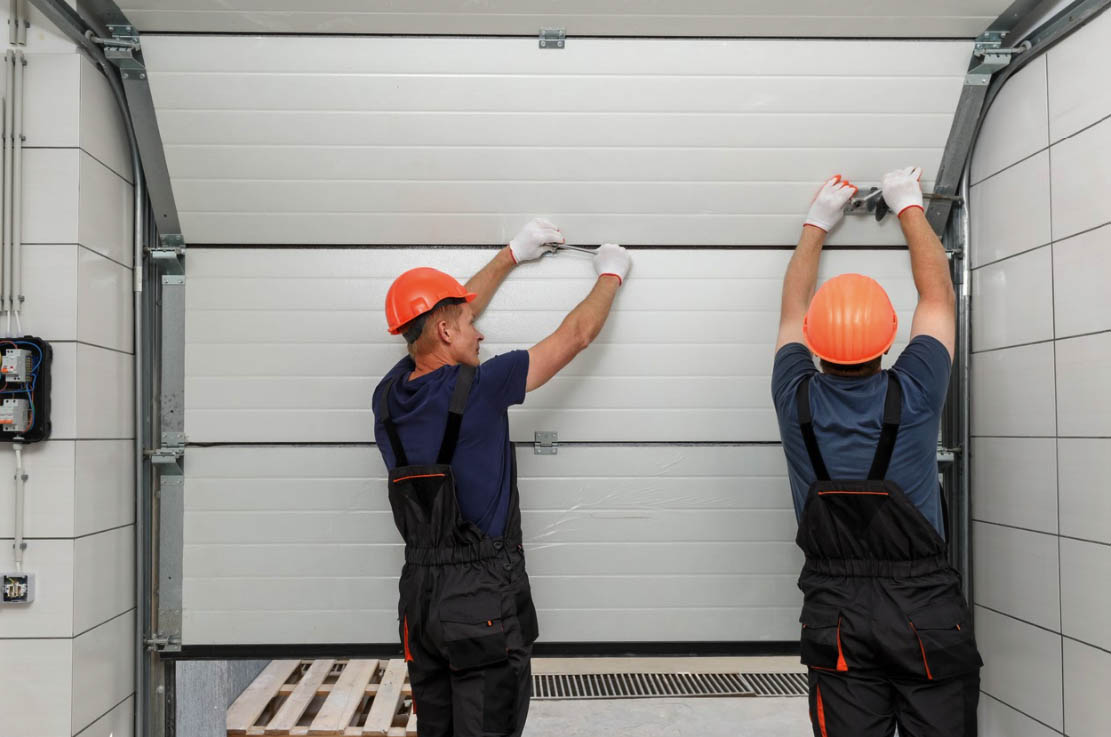
When a technician performs garage door repair, they can combine safety fixes with energy upgrades. Below are durable, cost-effective improvements that fit most Lynnwood homes.
1. Upgrade to insulated panels
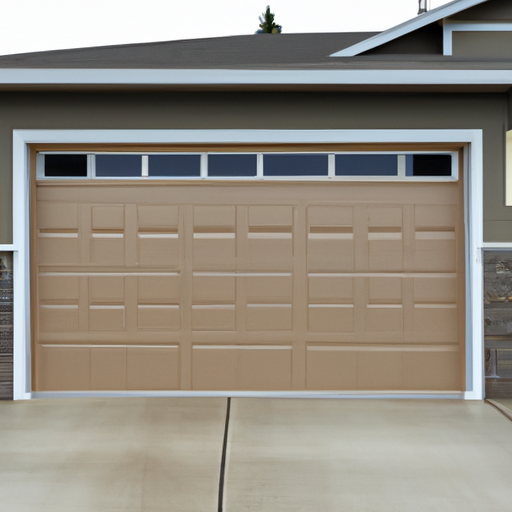
Replacing single-layer steel or thin wood with a polyurethane- or polystyrene-insulated sectional door gives the biggest energy ROI. Insulated doors reduce heat transfer and add structural rigidity, which also extends the life of springs and rollers.
2. Replace seals and weatherstripping
New vinyl or rubber bottom seals and compressible side/top weatherstripping are inexpensive and fast to install during a routine garage door repair. They stop drafts and block moisture entry—important in Lynnwood’s wet months.
3. Add threshold or concrete-compatible bottom seal
For uneven driveways, a threshold-style seal creates a tighter seal against the door bottom. This is particularly useful when water pooling is a concern.
4. Improve windows and hardware insulation
If your door has windows, choose double-pane or insulated inserts. Replace exposed hardware bushings and add foam gaskets around rollers and brackets where needed.
5. Tune or replace the opener
Older openers can struggle with heavier insulated doors, causing longer runtimes and more energy use. A modern variable-speed opener or a properly tuned existing unit improves efficiency and reduces noise.
Costs, timelines, and what to expect
Homeowners often ask for realistic ranges. Below are local, practical figures and timelines for common efficiency upgrades when combined with garage door repair.
- Insulated door replacement: Typical range $1,200–$3,500 depending on size, R-value and materials; install 3–6 hours.
- Seals and weatherstripping: $80–$250; install 30–90 minutes.
- Threshold seal: $150–$400; install 1–2 hours.
- Opener upgrade: $350–$900 installed; 1–3 hours.
These ranges reflect common residential service pricing in the region and a typical job can often be completed in a single-day visit. Exact costs depend on door size, material choices and any needed structural work.
How a qualified residential service handles upgrades
A licensed technician will inspect your door, measure for insulation or seals, and note any repair items that affect efficiency (loose springs, worn rollers, bent tracks). Combining repairs with energy upgrades reduces repeat visits and saves labor costs.
Before scheduling, ask for a written estimate that separates labor, parts and materials. If you want to read about related projects and seasonal maintenance tips, our team maintains a resource hub with local updates and case studies at https://garagedoors-lynnwood.com/blog.
Checklist for a single-day upgrade visit
- Full safety inspection (springs, cables, sensors)
- Balance test and opener runtime check
- Install insulation panels or retrofit insulation when feasible
- Replace bottom seal, side/top weatherstripping and threshold if needed
- Tune or recommend an opener upgrade
- Finalize with homeowner walkthrough and warranty details
Permits, warranties and local considerations
In most Lynnwood residential projects, simple repairs and door replacements do not require a building permit if the opening size and header aren’t altered. However, structural changes, reframing the opening or electrical upgrades for new openers may need permits—confirm with the City of Lynnwood building department before work begins.
Ask your contractor for warranties on both labor and parts. Typical warranties: 1–3 years for labor and 5–12 years on door panels or springs depending on the manufacturer. Keep receipts and warranty paperwork in case of future claims.
Energy-saving tips you can do between service visits
- Check the bottom seal seasonally; replace if brittle or cracked.
- Keep door tracks clean and lubricate rollers (use a dry lubricant on nylon rollers).
- Ensure sensors are aligned and weatherproofed to avoid nuisance openings.
- Insulate the wall between a heated garage and living space if applicable.
If you’re ready for a focused estimate for upgrades tied to your next garage door repair, request a site visit and written quote through our contact page so we can schedule a local technician: https://garagedoors-lynnwood.com/contact.
We also list the detailed residential services we provide, including energy-focused upgrades and seasonal maintenance, on the main services page: https://garagedoors-lynnwood.com/services.
Final notes for Lynnwood homeowners
Combining energy upgrades with routine garage door repair is the most cost-effective approach. Improvements like insulated panels and new seals pay back in reduced drafts and longer-lasting components. If you live in Lynnwood, WA, plan upgrades before winter to maximize comfort and savings.
Common Lynnwood FAQs about energy-focused garage door repair
Q: How much will energy upgrades add to a standard garage door repair in Lynnwood?
A: Minor upgrades like new bottom seals or weatherstripping typically add $80–$250. Insulated door panels or a full door replacement add $1,200–$3,500, depending on size and R-value. Your technician can combine items in a single visit to save labor costs.
Q: Do I need a permit for replacing my garage door or adding insulation?
A: Replacing an existing door with a like-for-like unit usually does not require a permit in Lynnwood. Permits are likely if you change the opening size, perform structural work, or modify electrical circuits for a new opener—check with the City of Lynnwood building department.
Q: How long does a typical energy-efficiency upgrade take?
A: Simple jobs (seals, weatherstripping) take 30–90 minutes. Door replacement or adding insulation can take 3–6 hours and is often completed the same day.
Q: Will insulation reduce my heating bills?
A: Insulating the garage door reduces heat transfer into the garage and adjacent spaces, especially if the garage shares walls with living areas. Savings vary by home tightness, but many homeowners report improved comfort and reduced HVAC cycling.
Q: What warranties should I expect?
A: Expect 1–3 years on labor and 5–12 years on doors or springs, depending on manufacturer warranties. Always get warranty details in writing before work begins.
Helpful local resources in Lynnwood, WA
- Garage Door Repair Seattle
- Garage Door Repair Bellevue
- Garage Door Repair Redmond
- Garage Door Repair Kirkland
- Garage Door Repair Mercer Island
- Garage Door Repair Edmonds
- Garage Door Repair Issaquah
- Garage Door Repair Tacoma
- Garage Door Repair Everett
- Garage Door Repair Bothell
- Garage Door Repair Sammamish
- Garage Door Repair Renton
- Garage Door Repair Lynnwood
- Garage Door Repair Woodinville
- Garage Door Repair University Place
- Garage Door Repair Gig Harbor
- Garage Door Repair Lakewood
- Garage Door Repair Puyallup
- Garage Door Repair Mukilteo
- Garage Door Repair Vancouver
- Garage Door Repair Kenmore
- Garage Door Repair Burien
- Garage Door Repair Auburn
- Garage Door Repair South Hill
- Garage Door Repair Yarrow Point
- Garage Door Repair Clyde Hill
- Garage Door Repair Port Townsend
- Garage Door Repair Duvall
- Garage Door Repair Snoqualmie