Keep your family safe during garage door repair in Lynnwood, WA
If you’re a homeowner in Lynnwood, WA, taking basic precautions can reduce risk when you perform or supervise garage door repair. A garage door that looks simple to fix can have heavy moving parts, high-tension springs, and electrical components. This guide focuses on clear, practical steps to improve safety during garage door repair so you can protect people, pets, and property.
Why safety matters for garage door repair
The garage door is one of the largest moving parts on a home. When a spring breaks or tracks are misaligned, the door can fall, jam, or behave unpredictably. Prioritizing safety lowers the chance of injury and keeps the door functioning longer. Whether you’re handling routine maintenance or emergency garage door repair, a safety-first approach saves time and money.
Preparation: inspect and plan before any garage door repair
Good repairs start with a short inspection and a clear plan. Follow these steps before you touch tools or unplug the opener.
- Visual check: Look for frayed cables, bent tracks, loose hardware, and obvious rust. Note anything that looks unusual.
- Disconnect power: Unplug the garage door opener or switch off its circuit breaker to prevent accidental activation.
- Test balance: With power off and the door in the down position, lift the door manually. If it’s hard to lift or falls rapidly, avoid DIY spring work—this is a common reason to call a pro.
- Gather basic PPE: Safety glasses, gloves rated for grip, and sturdy footwear are minimum. Use ladder helpers if you’ll be working above shoulder height.
For more detailed maintenance tasks and seasonal advice, see our posts at our blog.
Safe steps for common garage door repair tasks
Many homeowners can perform minor service safely; others are best left to a technician. Below are safe, step-by-step approaches for common jobs.
Lubrication and rollers
- Use a silicone-based or lithium grease. Avoid heavy oils that attract dirt.
- Apply to rollers, hinges, and the torsion bar (not the tracks’ inside). Operate the door manually after lubricating to confirm smooth action.
- If a roller is cracked or teeth on the chain are worn, replace the part rather than relying on lubrication alone.
Track alignment and fasteners
- Tighten loose nuts and bolts; don’t over-torque. If a track is bent, you may need professional tools to reshape it safely.
- Check for debris or small objects in the track before operating the door.
Opener troubleshooting
- Always unplug the opener first. Reset safety sensors by cleaning lenses and aligning them if the door reverses unexpectedly.
- Replace remote batteries and ensure wall buttons are functional before replacing components.
When springs or cables are involved
Tensioned springs and lift cables store a lot of energy and are the riskiest parts of any garage door repair. Do not attempt spring adjustments or cable replacements unless you are trained and have the right tools. If you observe a damaged spring or frayed cable, stop and call professionals.
What to avoid during DIY garage door repair
- Never remove a spring anchor or attempt to unwind a torsion spring without a trained technician and proper winding bars.
- Don’t use a ladder under a partially open door without supporting the door—unexpected movements can crush or pin someone.
- Avoid makeshift repairs (like temporary bolts or jerry-rigged supports) that can fail under load.
Hiring a professional: choosing safe residential service
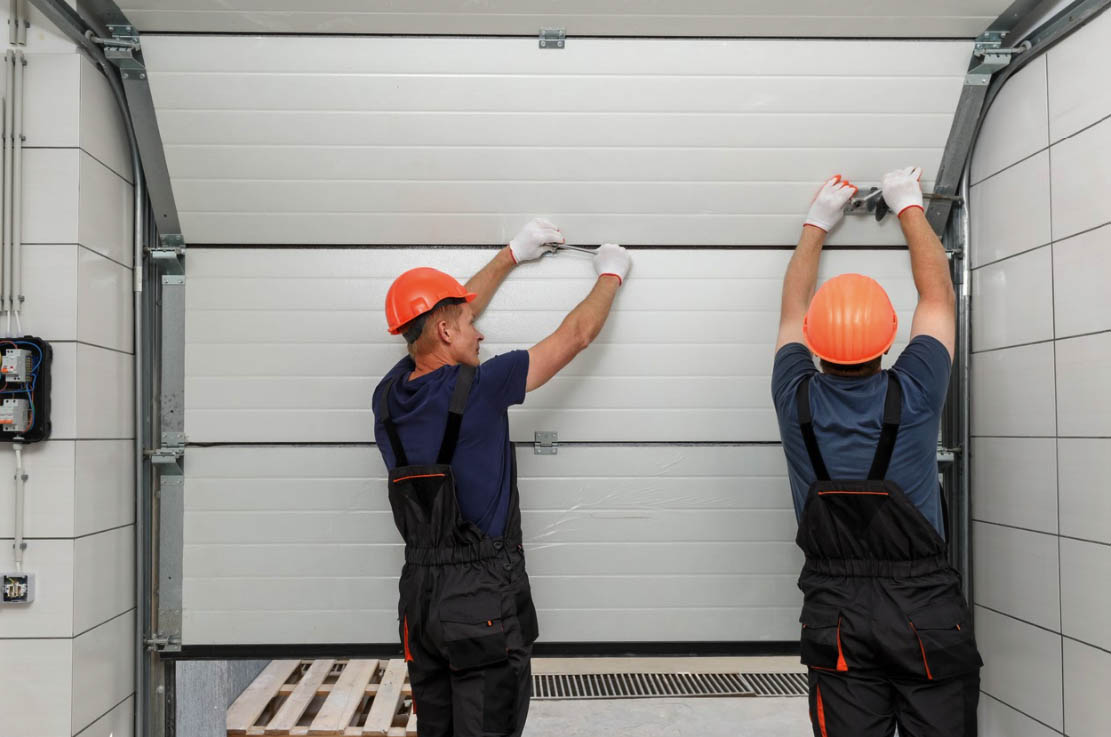
There are times when professional garage door repair is the safest option. Licensed technicians bring tools, replacement parts, and insurance that protect you and your home. When you call for service, expect a clear estimate, explanation of work, and a safety checklist.
Compare service options and what is included (warranty, part quality, and emergency availability) on our services page. If you need a quick safety assessment or to schedule a trained technician, use our contact form to request same-week service.
Local considerations for Lynnwood, WA homeowners
Our climate and home types affect how you approach garage door repair in Lynnwood. Salt spray is uncommon here, but coastal humidity can encourage rust on springs and hardware. Heavy winter rains mean you should inspect drains and thresholds to avoid water pooling that corrodes parts.
- Seasonal checks: Inspect weatherstripping and bottom seals each fall to prevent water and pest entry.
- Timing: Simple repairs and maintenance typically take 30–90 minutes; more involved spring or cable work often requires a scheduled visit.
- Permits and codes: Most small repairs don’t need permits, but replacing a full automatic system or changing structural mounts may need a local permit—confirm with Snohomish County if unsure.
Final checklist before you finish any garage door repair
- Reconnect power and test the opener through a full open/close cycle.
- Confirm safety sensors stop and reverse the door reliably with an object across the threshold.
- Tighten fasteners checked during the repair and re-check balance.
- Document the work and parts used for future reference and warranty needs.
When to call for professional garage door repair
Call a licensed residential service if springs are broken, cables are frayed, the door is off its tracks, or if you detect a strange noise from the opener. Trained technicians reduce the risk of injury and often spot secondary problems before they become emergencies.
For helpful articles on upkeep, schedules, and common repairs, visit our blog: read more.
Frequently Asked Questions
Q: How does Lynnwood weather affect garage door springs and hardware?
A: Rain and year-round humidity can accelerate rust on springs, rollers, and tracks. Inspect components every 6 months and lubricate with a silicone or lithium product to slow corrosion.
Q: How long will a typical garage door repair take in Lynnwood?
A: Most maintenance and minor repairs take 30–90 minutes. Spring or cable replacements usually require a scheduled visit and can take 1–3 hours depending on parts and door type.
Q: What price range should I expect for residential garage door repair?
A: Minor repairs and service visits commonly range from $75–$200. Replacing springs or cables can be $200–$500+ depending on door size and parts. Always get a written estimate for Lynnwood jobs.
Q: Are permits needed for garage door repair in Lynnwood?
A: Small repairs seldom require permits. Full system replacements that change mountings or electrical connections may need permits—check with Snohomish County or ask your technician to verify.
Q: Do garage door repairs come with warranties for parts and labor?
A: Many local technicians offer limited warranties on parts and labor. Confirm the length and coverage before work begins and keep receipts for warranty claims.
Helpful local resources in Lynnwood, WA
- Garage Door Repair Seattle
- Garage Door Repair Bellevue
- Garage Door Repair Redmond
- Garage Door Repair Kirkland
- Garage Door Repair Mercer Island
- Garage Door Repair Edmonds
- Garage Door Repair Issaquah
- Garage Door Repair Tacoma
- Garage Door Repair Everett
- Garage Door Repair Bothell
- Garage Door Repair Sammamish
- Garage Door Repair Renton
- Garage Door Repair Lynnwood
- Garage Door Repair Woodinville
- Garage Door Repair University Place
- Garage Door Repair Gig Harbor
- Garage Door Repair Lakewood
- Garage Door Repair Puyallup
- Garage Door Repair Mukilteo
- Garage Door Repair Vancouver
- Garage Door Repair Kenmore
- Garage Door Repair Burien
- Garage Door Repair Auburn
- Garage Door Repair South Hill
- Garage Door Repair Yarrow Point
- Garage Door Repair Clyde Hill
- Garage Door Repair Port Townsend
- Garage Door Repair Duvall
- Garage Door Repair Snoqualmie