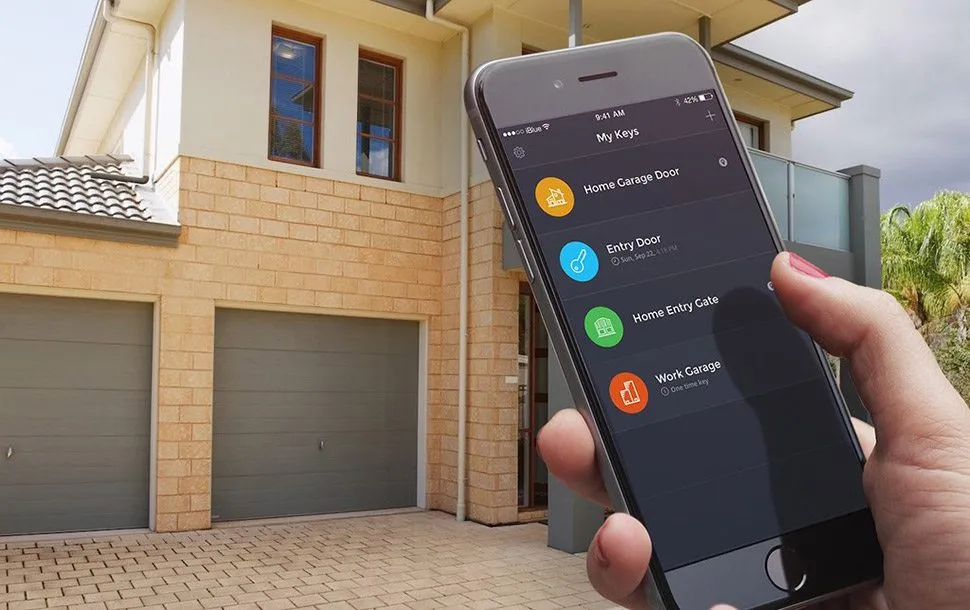
Homeowners in Lynnwood, WA are increasingly adopting smart garage systems to add convenience and security to daily life. A connected opener, camera, or keypad can make your garage easier to manage, but without the right safety steps those same features can introduce risks. This guide explains practical, local steps to improve safety for smart garage systems while keeping garage doors operating reliably.
Start with a safety checklist for smart garage systems
Before you install new components or enable remote access, run a quick checklist. Focus on mechanical safety first, then add cyber and user protections.
- Inspect cables, springs, rollers, and tracks for wear—physical failures are the most immediate hazard around garage doors.
- Test sensors and auto-reverse mechanisms monthly to ensure the door stops and reverses on contact.
- Update firmware on openers and accessories whenever the manufacturer publishes a patch.
- Use strong, unique passwords and enable two-factor authentication on smart accounts.
- Limit remote access to named devices and family members; avoid public cloud sharing where possible.
Mechanical safety: protect people and property
Smart features are helpful, but the garage door is still a heavy moving system. Mechanical failures can cause serious injury or damage if neglected.
Regular inspections and maintenance
Schedule a visual check every three months. Look for frayed cables, loose hardware, bent tracks, and unusual noises. If you see anything abnormal, arrange a professional inspection—especially with torsion springs or motor issues.
Sensor and auto-reverse testing
Smart garage systems still depend on photo-eye sensors and force settings to detect obstructions. Test the sensors by placing an object in the door’s path and confirming the door reverses. Also check the force adjustment so the door stops under reasonable resistance.
If sensors drift out of alignment due to temperature changes or small impacts, they can fail to detect items. Cleaning lenses and realigning photo-eyes are simple but essential steps.
Cybersecurity: protect connected devices and accounts
Smart garage systems are only as safe as the networks and accounts that control them. Use these practical steps to reduce remote-access risks common in Lynnwood and the broader WA area.
Network hygiene
- Place garage controllers on a segmented Wi‑Fi network or guest SSID to isolate them from home computers and IoT devices that store sensitive data.
- Use WPA3 or WPA2 encryption on your router and a long, unique passphrase.
- Disable UPnP and any remote port forwarding unless specifically required by the device vendor.
Account and app security
- Use a unique password for your smart garage systems account and enable two-factor authentication when available.
- Review connected devices and revoke any access you don’t recognize—especially when selling or giving away an old phone or tablet.
- Limit integrations with voice assistants or third-party automation platforms to only trusted routines.
For smart garage systems that use cloud services, check the vendor’s security policy and update firmware promptly. Local homeowners often find scheduled maintenance and quick software updates reduce exposure to known vulnerabilities.
User practices and local considerations for Lynnwood homeowners
Small changes in daily habits dramatically improve safety and reduce false alarms or break-ins.
Smart use and access control
- Use geofencing or scheduled access rather than leaving persistent open access enabled for guests.
- Create separate profiles for family members and service providers instead of sharing a single master account.
- Turn off “open on approach” features if you park on a public street or have frequent guests to the neighborhood.
Weather and environmental checks
Lynnwood’s wet winters can accelerate corrosion and cause sensors to fail from moisture or debris. Inspect weather seals and drainage around the garage, and clear snow or standing water that might interfere with sensor alignment.
When to call a professional
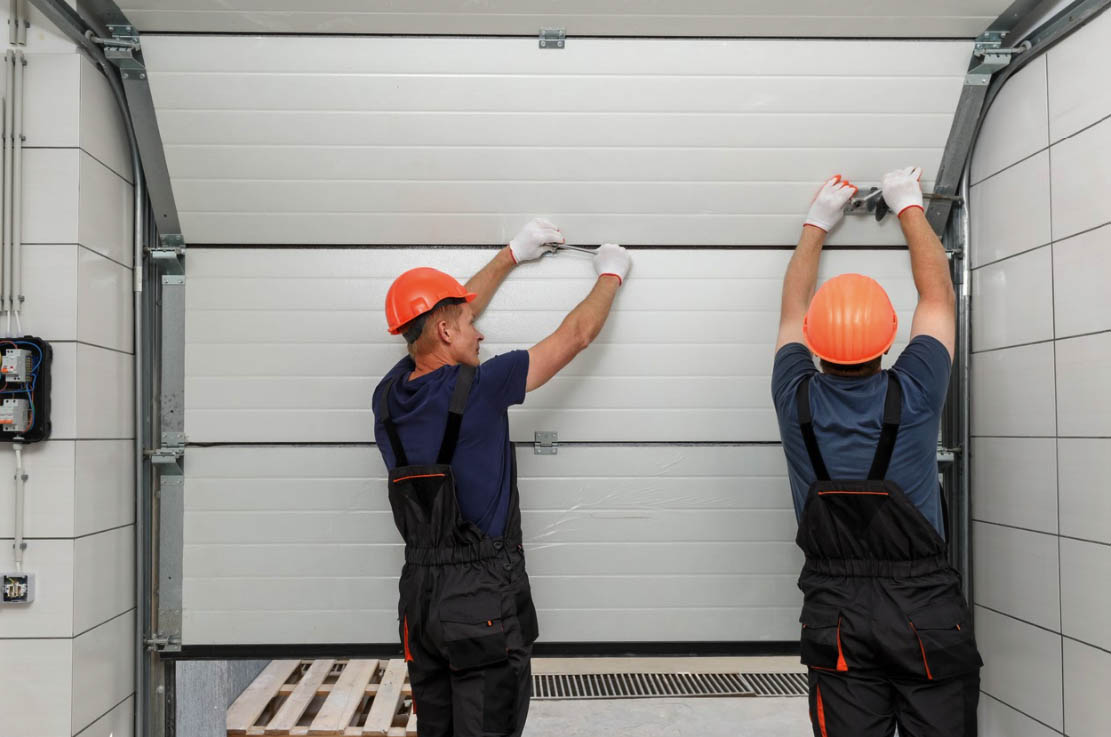
While many safety steps are DIY-friendly, some tasks are best left to a trained technician, especially those involving springs, opener motor repairs, or complex wiring.
- Call a pro if torsion or extension springs show rust, cracking, or visible damage—spring replacement is hazardous.
- Schedule service when an opener stalls, overheats, or emits burning smells.
- Hire a certified technician for new smart system installations that require rewiring or integration with existing electrical circuits.
If you want local advice on maintenance plans, coverage options, or a safety inspection, our blog has detailed posts about seasonal checks and part lifespan. For service scheduling, use our online contact form or review typical offerings on our services page.
Smart garage systems bring convenience and security, but they work best when combined with routine mechanical care, strong digital protections, and sensible day-to-day habits. Taking a few minutes each month to test sensors, tighten hardware, and update software will keep your garage doors running safely and preserve the value of your home improvement investment.
For Lynnwood residents who prefer professional help, our team provides local inspections and repairs tailored to WA conditions—reach out to arrange an appointment.
Read more on our blog for seasonal checklists and product recommendations. If you need a quick estimate, contact us. To review services we offer for mechanical and smart upgrades, visit our services page.
Frequently asked questions — Lynnwood, WA
Q: How does Lynnwood weather affect smart garage systems?
A: Rain and salt air can accelerate corrosion on springs, cables, and sensors. Inspect seals, clean sensor lenses, and schedule professional lubrication before winter to prevent failures.
Q: How long does a professional safety inspection take in Lynnwood?
A: A standard residential inspection typically takes 30–60 minutes, depending on door complexity and whether electronics need firmware updates or wiring checks.
Q: What price range should I expect for common safety upgrades?
A: Local costs vary, but expect basic sensor replacement or alignment to run under $200, opener firmware or app setup under $150, and full spring replacement $250–$450 depending on door size and parts.
Q: Do I need permits in Lynnwood for garage door upgrades?
A: Most simple repairs and smart upgrades do not require permits. Structural changes or electrical rewiring may; check Lynnwood municipal codes or ask a licensed technician to verify.
Q: What warranties should I look for on smart garage components?
A: Look for at least a 1–3 year warranty on electronics and a parts warranty on openers. Confirm whether labor is covered and save proof of professional installation to preserve warranty claims.
Helpful local resources in Lynnwood, WA
- Garage Door Repair Seattle
- Garage Door Repair Bellevue
- Garage Door Repair Redmond
- Garage Door Repair Kirkland
- Garage Door Repair Mercer Island
- Garage Door Repair Edmonds
- Garage Door Repair Issaquah
- Garage Door Repair Tacoma
- Garage Door Repair Everett
- Garage Door Repair Bothell
- Garage Door Repair Sammamish
- Garage Door Repair Renton
- Garage Door Repair Lynnwood
- Garage Door Repair Woodinville
- Garage Door Repair University Place
- Garage Door Repair Gig Harbor
- Garage Door Repair Lakewood
- Garage Door Repair Puyallup
- Garage Door Repair Mukilteo
- Garage Door Repair Vancouver
- Garage Door Repair Kenmore
- Garage Door Repair Burien
- Garage Door Repair Auburn
- Garage Door Repair South Hill
- Garage Door Repair Yarrow Point
- Garage Door Repair Clyde Hill
- Garage Door Repair Port Townsend
- Garage Door Repair Duvall
- Garage Door Repair Snoqualmie